It was a long lazy weekend, had planned to study well and eat well daily but when you don’t follow a routine nothing is in place. People think routine is a boring thing to follow, one needs to follow his or her heart to do whatever they or one want that is true but at some point, we all need a routine because it provides us with a plan to follow for a day.
We plan to try something new after achieving a particular goal but once we achieve the dream all we want to do is relax which is completely understandable relax doesn’t mean just sleep eat and repeating, there are plenty of tasks that help us to relax like gyming, gaming, reading, traveling, etc., all this needs to be done in a routine else nothing could be done which was planned to do in future.
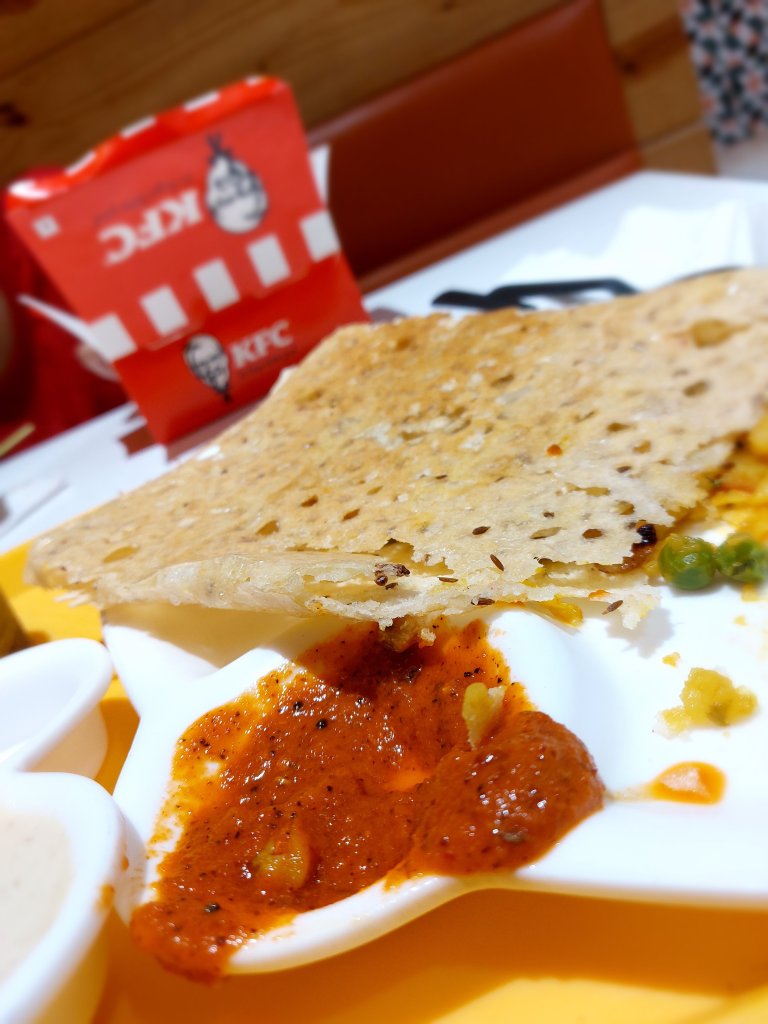
One such thing for me was to try the Rawa Masala Dosa in my area for a long time but due to exams, studies, and laziness plan got skipped many a time, finally day before yesterday was the day I tried it.
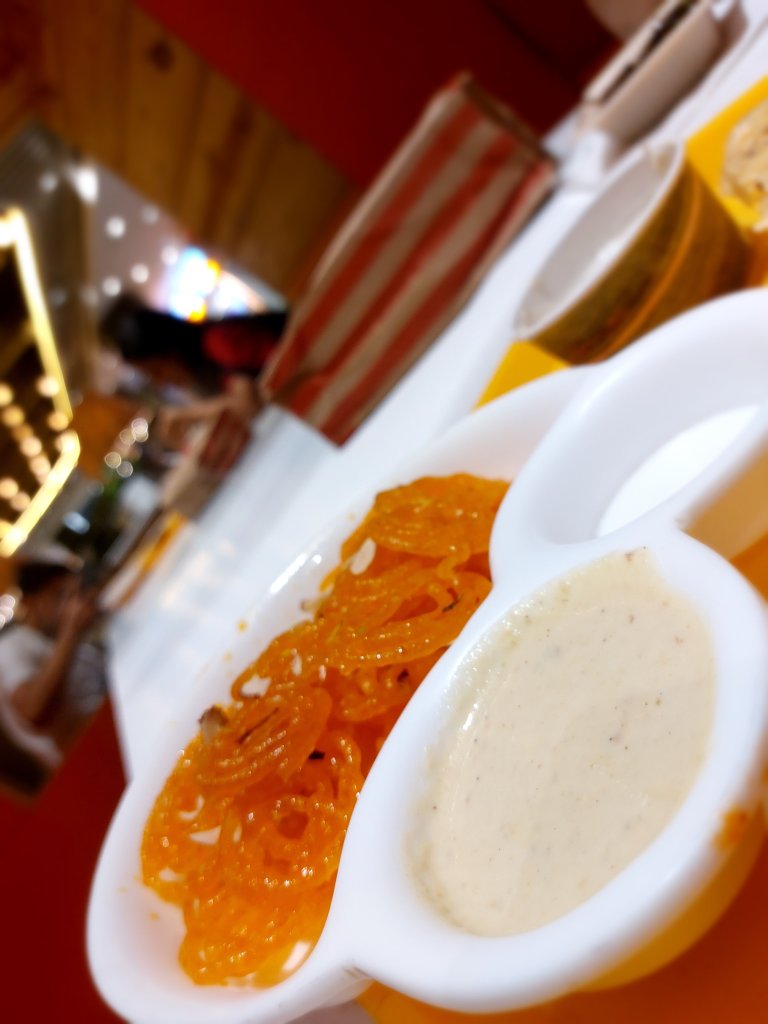
After reaching the place the first thing I ordered was the dosa I had planned to eat ice cream after the meal, but still, I needed something to drink or sweetener with the dosa. When I was at the counter I saw a plate of Jalebi with rabdi on it and it reminded me of trying shahi tukda with rabdi by the hands of maa but she was busy with household chores and stuff. Such a pleasant plate was in front of my eyes, there was no way I could say it no. In the end, I ordered I ordered dosa, jalebi, and rabdi altogether to feast on.
The origin of Dosa is still unclear to historians. According to P. Thankappan Nair, a known historian, the Dosa originated in the Udipi town of Karnataka. But on the other hand, food historian K. T. Achaya says that the Dosa was already in use in the ancient Tamil country around 1000AD as it has been mentioned in Sangam Literature. While the Tamil Dosa was thicker and softer, the thinner and crispier version was first made in Karnataka.
A recipe for Dosa can be found in the 12th-century Sanskrit encyclopedia Manasollasa which was compiled by Someshvara III, who once ruled Karnataka.
In Todays times, the Dosa is linked to Karnataka because it was popularised by Udipi restaurants across the country. The dosa is a really simple dish that needs very few ingredients and time. It is high in carbohydrates and is also a good source of protein. Since it mainly consists of Rice and Black Gram, it has no sugar or saturated fats.
Whereas, Jalebi didn’t originate in India but it was invented in Western Asia, where it was known as Zalabiya or Zolabiya. In Iran, Zalabiya was the festive treat, enjoyed by everyone during the festivals, especially the Iftaar gatherings of Ramzaan. The silver-coated sweet delight was famous and consumed by all classes of the population alike.
The 13th-century writer, Muhammad bin Hasan al-Baghdadi, featured all the popular dishes of that era in his cookbook, ‘Kitab al- tabeekh. It was in this book that the recipe of zalabiya was first mentioned.
Through this book, the tale of zalabiya traveled to India from Iran. Zalabiya was introduced to the Indian population and almost immediately it gained a lot of popularity. The sweet coil was then given the name ‘Jalebi’ which was a local accent version of zalabiya.
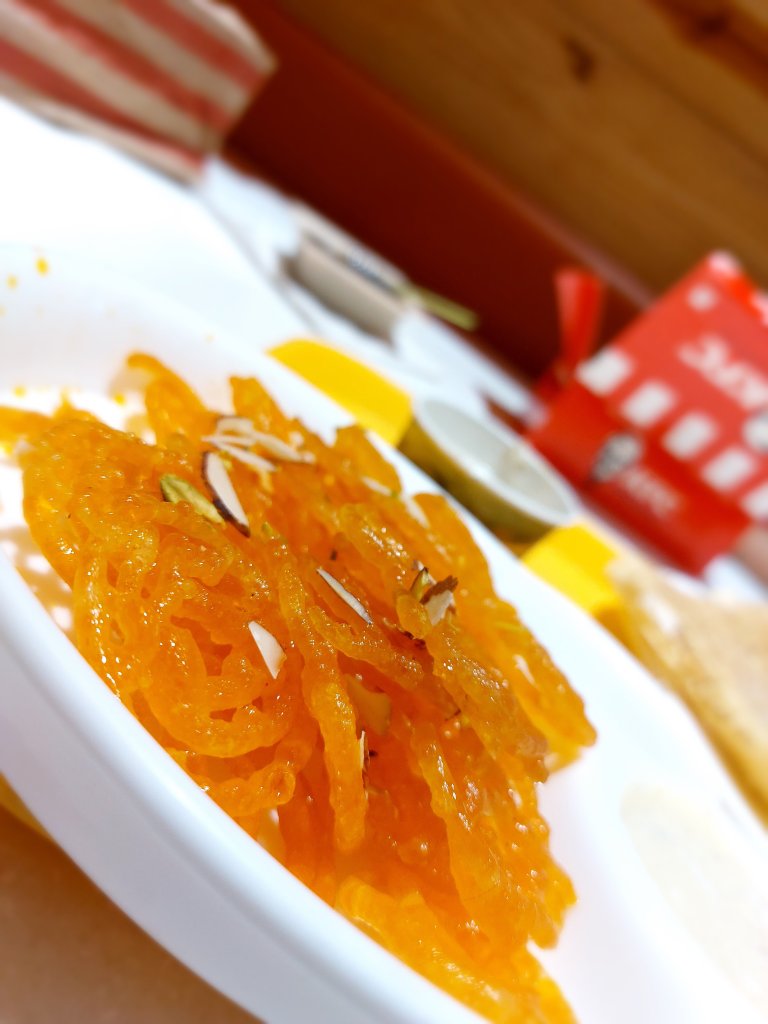
The dosa was so crunchy that the sound of it biting would have gone at least 5 meters from me and our sweetner jalebi had its charm from the very beginning with its crunchy and chewy texture.
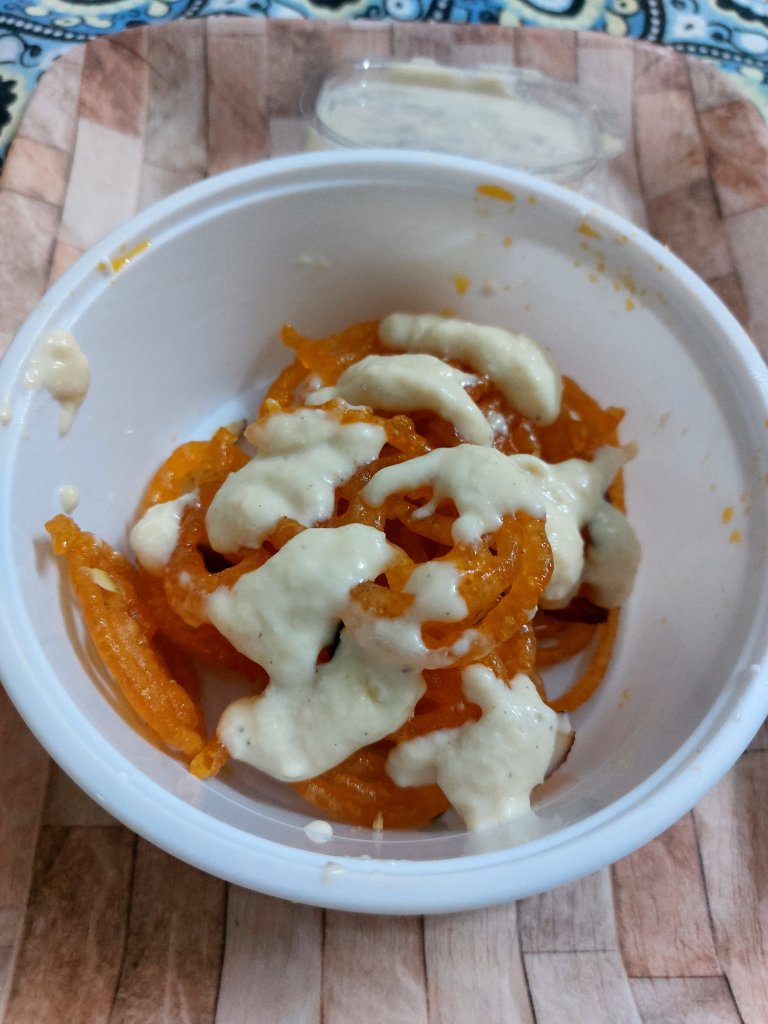
It hit me afterward that actually both dosa and jalebi have a common ingredient of rice flour in use which made this combination even more special. Dosa was complemented with its coconut and red chutney whereas jalebi had rabdi with it, generally, jalebi can be had dipping in the rabdi or rabdi poured on the jalebi, honestly, I wanted the poured version to try but once jalebi arrived I was mesmerized and as soon as possible I dipped the jalebi in rabdi and it was not a regret to follow since I packed some jalebi for home and there I tried the poured version where it looked just like pearls so pretty and delicious at the same time.